|
|
Add Your Banner To The Japan Banner Exchange - Add Now |
|
|
|
|
| Back to the Japan Guide |
JR - Japan Rail Pass |
Submit an article |
The JR Japan Rail Pass |
||
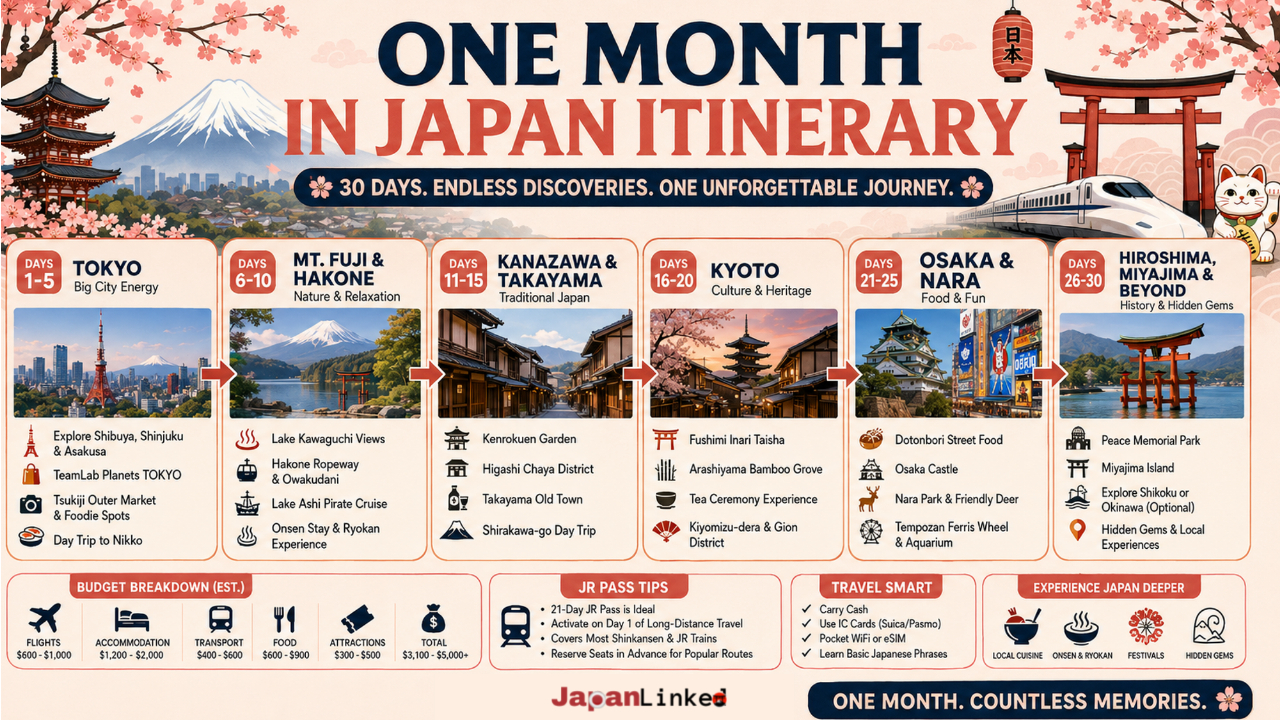
The JAPAN RAIL PASS is the most economical way to travel throughout Japan by rail. And the key to convenient sight-seeing in Japan. |

Who is eligible? |
![]() |
Who is eligible for a JAPAN RAIL PASS? |
| 1. You are a foreign tourist visiting Japan from abroad for sight-seeing,under the entry status of "temporary visitor." | 2.You are a Japanese national living in a foreigncountry. |
| "Temporary Visitor" entry status, according to Japanese Immigration Law, allows a stay in Japan of 15 days or 90 days for "sight-seeing, etc." If you apply for a "stay for sight-seeing" when you enter Japan, entry personnel will stamp your passport as "Temporary Visitor." Only persons who have a passport bearing this stamp can use a JAPAN RAIL PASS. | A) Who is qualified to live permanently in that country, or B) Who is married to a non-Japanese residing in a country other than Japan. Note: Persons meeting conditions a or b above must be required to show proof of same at the point of purchase of an Exchange Order and obtaining a JAPAN RAIL PASS. Also note: The former condition about a Japanese national "who has been living in a foreign country for ten or more years" is discontinued from 1 April 2004 purchase.
|
JAPAN RAIL PASS Types and Prices |
There are two types of JAPAN RAIL PASS: |
|
|||||||||||||||||||||||||
The actual cost in local currency is calculated at the time the Exchange Order is issued.
Note that the purchase exchange rate may differ from the exchange rate in effect when you actually visit Japan. PASS prices for children apply from age 6 to and including age 11. Prices are subject to change. The applicable price is the price valid on the date when an Exchange Order is issued.? |
JAPAN RAIL PASS Validity |
|
||||||||||
Validity Period |
1.The validity period of a JAPAN RAIL PASS is the consecutive 7, 14, or 21 days beginning on the date the PASS is first used. 2. Within three months from the date the Exchange Order was issued, you must turn in your Exchange Order to obtain your JAPAN RAIL PASS. At that time, you have to specify the date that you want to start using the PASS. It can be any date within one month from the date the PASS is received. 3. Once the PASS has a starting date written on it, the date cannot be changed. |
Where exchange orders are sold |
Exchange Orders can be purchased from the following JR authorized sales offices and agents: After you arrive in Japan, you turn in the Exchange Order to receive your JAPAN RAIL PASS at an applicable JR station that has a JAPAN RAIL PASS exchange office. |
How to turn in an exchange order to receive a JAPAN RAIL PASS |
Exchange Order + Passport = JR Rail Pass You cannot use an Exchange Order when you travel on JR lines. Turn in your Exchange Order and obtain your JAPAN RAIL PASS at one of the JAPAN RAIL PASS exchange offices. (Please note the Service hours and closing days.) Your Exchange Order must be turned in for a JAPAN RAIL PASS within three months of the date the Order was issued.
When you make the exchange you will be asked to fill in a simple application form (You can fill in the form when you are in Japan. You must show the Temporary Visitor visa that was stamped in your passport when you entered Japan. You must show your passport with the Temporary Visitor stamp in it in order for your Rail Pass exchange order to be screened. |
Caution |
![]() Rsevation Office(Midori-no madoguchi) |
Please note that during crowded periods you cannot be guaranteed a seat on a specific train. The periods when seat reservations are particularly difficult to secure are as follows: |
|
| December 28 to January 6 The New Year holiday period is the most popular travel time for Japanese people, for vacations and returns to hometown areas. |
||
| April 27 to May 6 Due to consecutive holidays in a comfortable travel season, there is large-scale travel throughout Japan for leisure and recreation. |
||
| August 11 to 20 Another time for traditional travel to hometown areas, called the Obon season. |
||
Back to the Japan Guide Thinking about traveling to Japan? |
Home Page - Links - Personals - Gallery - Forum - About Japan - Learn Japanese - Japan Books - Shopping - Contact Us |
Copyright © 2006
www.JapanLinked.com |
|
|